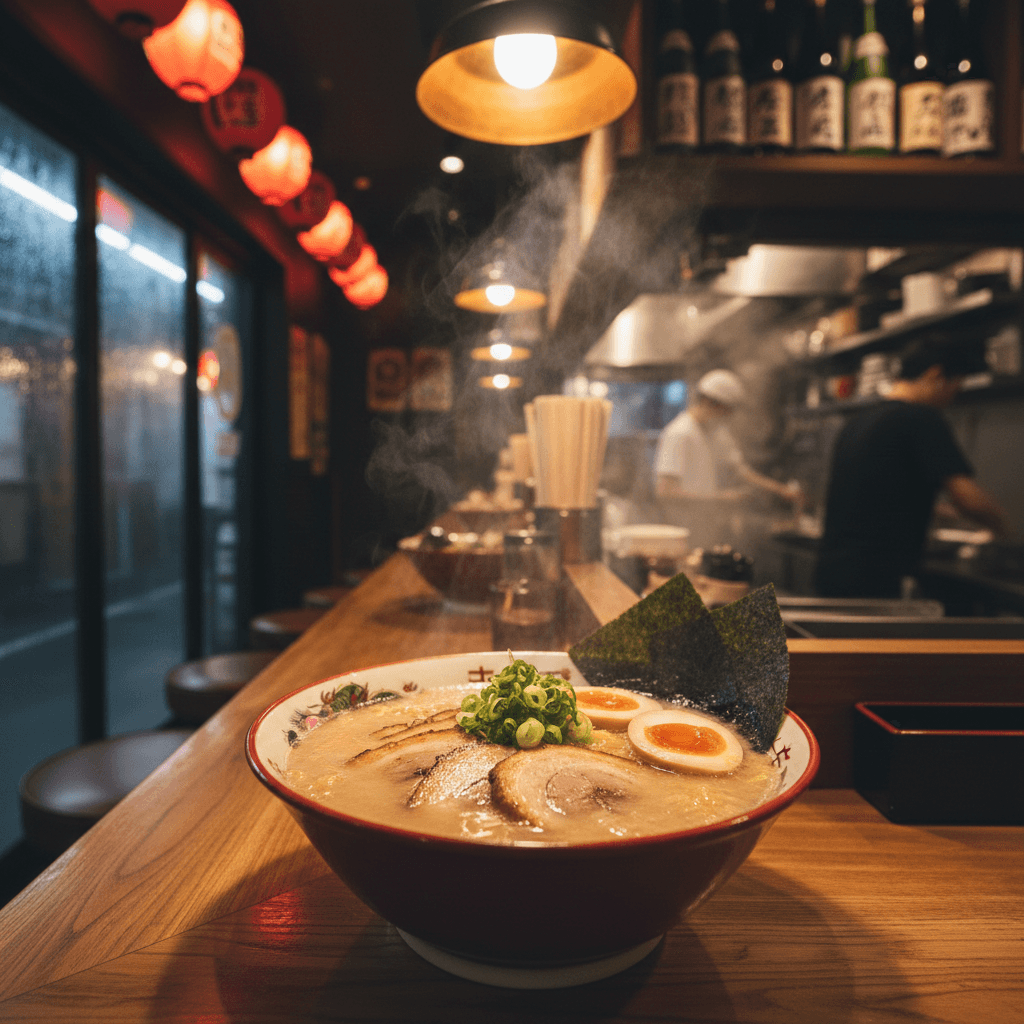
The Pursuit of the Perfect Bowl
Juzo Itami's noodle western follows the obsessive quest to create the perfect bowl of ramen, turning a simple dish into a meditation on dedication, craft, and the soul of Japanese cuisine.
The Western That Changed Food Cinema Forever
Juzo Itami's "Tampopo" disguises itself as a simple story about improving a ramen shop, but it's actually a masterpiece about the philosophy of food, the pursuit of perfection, and the deeply spiritual relationship between chef and craft. This isn't just a movie about noodles—it's a meditation on what it means to dedicate your life to something seemingly simple yet infinitely complex.
The Noodle Western's Code
From its opening gunslinger-style showdown between ramen masters to the mentor-student relationship between trucker Goro and shop owner Tampopo, the film borrows the structure and mythology of American Westerns to tell a distinctly Japanese story. The quest isn't for gold or revenge—it's for the perfect bowl of ramen, which proves just as elusive and valuable.
The Anatomy of Perfect Ramen
Itami breaks down ramen into its essential components with the precision of a master class. The broth must be rich but not heavy, the noodles perfectly al dente, the chashu pork tender enough to cut with chopsticks, the egg yolk golden and slightly runny. Each element requires different techniques, different timing, different sources of perfection. The film shows how complexity hides behind apparent simplicity.
The Ramen Sensei
The scene where the old ramen master teaches Tampopo the proper way to eat ramen is both hilarious and profound. His detailed instructions—how to appreciate the aroma, how to taste the broth, the proper order of consumption—elevate a quick meal into a sacred ritual. This isn't pretension; it's respect for the craft of those who created the bowl.
The Economics of Obsession
Tampopo's journey illustrates the economic challenges of pursuing perfection in food service. Every improvement costs money—better ingredients, new equipment, specialized training. The film honestly portrays how the quest for culinary excellence often conflicts with business practicality, yet suggests that without this obsession, food becomes merely fuel rather than art.
The Collective Wisdom
The rotating cast of advisors who help Tampopo—the interior designer, the noodle-making expert, the soup specialist—represents how great food often emerges from collective knowledge rather than individual genius. Each expert contributes specialized knowledge, showing how even simple dishes contain layers of expertise developed over generations.
Sexual and Spiritual Appetite
Itami's famous food-as-foreplay sequences (the egg yolk scene, the shrimp tempura seduction) suggest that culinary and sexual appetites spring from the same source—a fundamental human drive toward pleasure and connection. Food becomes a language of desire, communication beyond words.
The Philosophy of Continuous Improvement
Tampopo's relentless experimentation and adjustment reflect the Japanese concept of kaizen—continuous improvement. She doesn't just want to make good ramen; she wants to make it better every day. This process never ends because perfection remains always just beyond reach, making the pursuit itself the reward.
Food as Social Leveler
The film's various food vignettes show how great food transcends social boundaries. The homeless man who knows the best restaurants, the businessman who dies while describing the perfect omelet—culinary knowledge and appreciation exist independent of wealth or status. Great food is democratic in its appeal.
The Ritual of Consumption
Every eating scene in "Tampopo" is choreographed like a dance, emphasizing that how we eat is as important as what we eat. The etiquette of slurping noodles, the timing of adding condiments, the social dynamics of shared meals—all receive Itami's careful attention, showing how food consumption is cultural performance.
Mentorship and Tradition
Goro's relationship with Tampopo mirrors traditional Japanese master-student dynamics. Knowledge passes not through formal instruction but through observation, practice, and gradual understanding. The master doesn't just teach technique; he transmits philosophy, approach, and respect for the craft.
The Science Behind the Art
The film doesn't shy away from technical details—the proper temperature for serving, the chemistry of broth-making, the physics of noodle texture. Itami shows how great cooking requires both artistic sensibility and scientific understanding. Intuition must be grounded in knowledge of how ingredients actually behave.
Recreate at Home (Ramen Fundamentals)
Building great ramen at home requires patience and attention to detail:
- Broth is everything - Real ramen broth simmers for hours or days, not minutes
- Noodle texture matters - Fresh ramen noodles have specific alkaline content and texture
- Toppings tell the story - Each garnish serves both flavor and visual purposes
- Temperature control - Serve immediately in pre-warmed bowls to maintain proper heat
- Respect the process - Don't rush; ramen rewards patient preparation
The goal isn't to recreate restaurant ramen exactly but to understand the principles that make great ramen possible.
The Comedy of Obsession
Itami finds humor in his characters' food obsessions without mocking them. The businessman who insists on eating his curry rice in a specific pattern, the gangster who demands perfect oysters—these aren't jokes at their expense but affectionate observations about how food passions can border on the absurd while remaining genuinely meaningful.
Death and Sustenance
The film's darker vignettes—the old man dying while describing perfect food, the gangster's final meal—suggest that food provides meaning even in the face of mortality. Great meals become memory anchors, ways of marking significant moments in otherwise fleeting lives.
The Student Becomes the Teacher
Tampopo's transformation from hapless shop owner to ramen master reflects the possibility of growth through dedicated practice. She doesn't have natural talent; she develops skill through obsessive attention to detail and willingness to learn from every source. This democratic view of expertise suggests that passion can compensate for initial lack of ability.
Cultural Translation
While deeply rooted in Japanese food culture, "Tampopo" speaks to universal themes about craft, dedication, and the search for perfection. The specific details of ramen preparation become metaphors for any pursuit that demands complete commitment and continuous learning.
"Tampopo" ultimately argues that food—even humble ramen—deserves our complete attention and respect. In a world of fast food and convenience, the film celebrates the radical act of caring deeply about what we eat and how we prepare it. The perfect bowl of ramen may be impossible to achieve, but the pursuit itself transforms both the seeker and those they feed.
Shop The Scene
As an Amazon Associate we earn from qualifying purchases.