The Heart of the Professional Kitchen
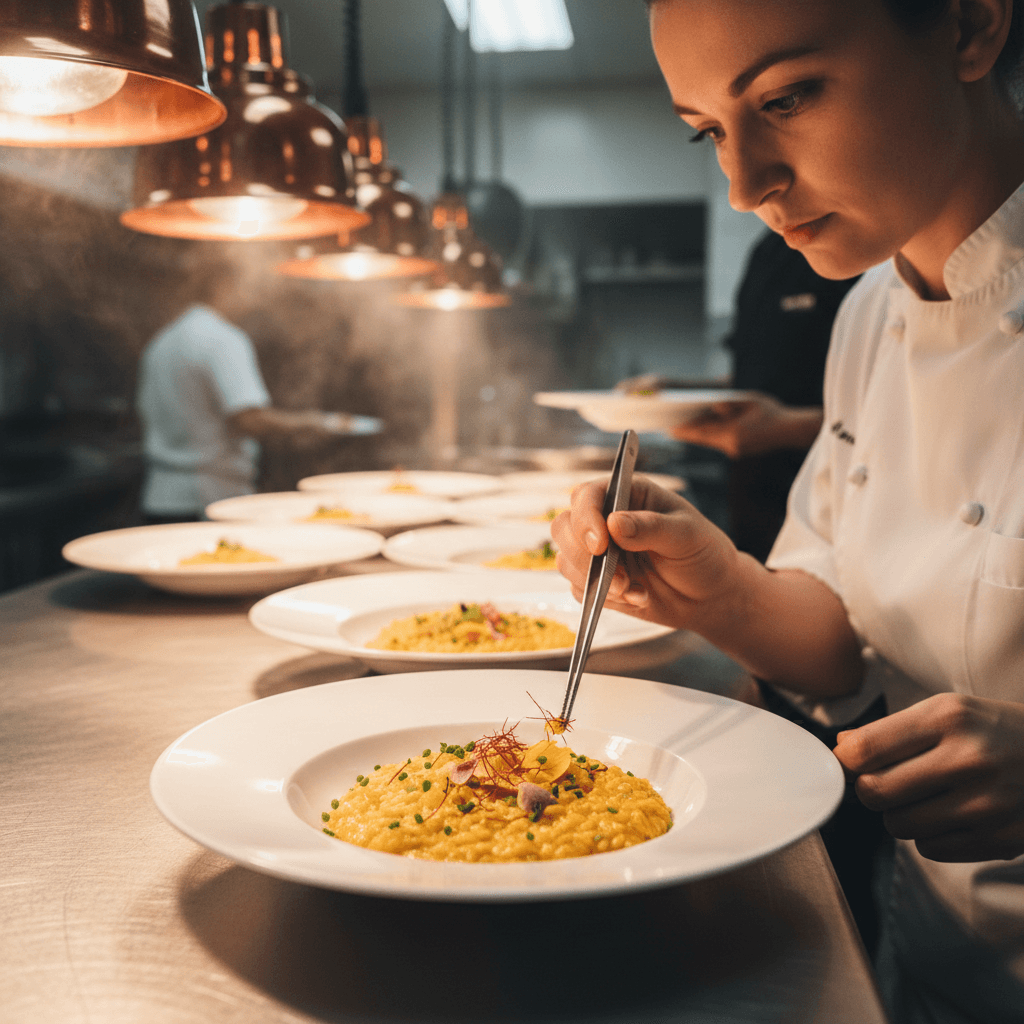
Catherine Zeta-Jones commands her kitchen with precision and passion, showing how professional cooking demands both technical excellence and emotional intelligence.
Where Control Meets Creativity
"No Reservations" takes us inside the controlled chaos of a high-end restaurant kitchen, where head chef Kate Armstrong rules with precision that borders on obsession. Catherine Zeta-Jones embodies the perfectionist chef whose kitchen is both her sanctuary and her prison—a place where she has complete control in a world that often feels chaotic.
The Choreography of Service
The opening kitchen sequence establishes Kate's world through the ballet of restaurant service. Every station has its role, every timing is crucial, and Kate conducts this culinary orchestra with the intensity of a conductor facing Carnegie Hall. The way she tastes, adjusts, and retastes each sauce shows how professional cooking is about consistency—creating the same perfect dish hundreds of times.
Control as Survival Mechanism
Kate's relationship with her kitchen reveals how professional chefs often use the controlled environment of cooking as a way to manage anxiety about the uncontrollable aspects of life. In her kitchen, she can ensure perfection. Every dish that leaves her pass meets her exacting standards. This control becomes both her strength and her weakness when life forces chaos into her orderly world.
The Critic's Challenge
The restaurant critic scene demonstrates the unique pressure that professional chefs face—knowing that a single bad dish can destroy months or years of reputation-building. Kate's reaction to criticism isn't just professional pride; it's the response of someone whose identity is completely tied to her culinary output. When the critic questions her salmon, he's questioning her entire sense of self.
Mentorship and Kitchen Hierarchy
The introduction of Nick Palmer (Aaron Eckhart) disrupts Kate's carefully maintained hierarchy. His more relaxed, intuitive approach to cooking clashes with her methodical precision, but both styles produce excellent food. Their conflict illustrates how professional kitchens can accommodate different leadership styles while maintaining quality standards.
The Science of Flavor
Kate's approach to cooking emphasizes the technical aspects—precise timing, exact temperatures, careful balance of acids and fats. When she explains her techniques, we see how professional cooking is built on a foundation of culinary science. Understanding why techniques work allows chefs to adapt and innovate while maintaining consistent results.
Pressure and Performance
The film captures the relentless pressure of restaurant service—the narrow window between perfectly cooked proteins and overcooked disasters, the juggling of multiple orders with different timing requirements, the split-second decisions that separate smooth service from complete breakdown. This pressure creates both incredible stress and incredible focus.
Personal Life vs. Professional Passion
Kate's struggle to balance her professional intensity with personal relationships reflects a common challenge in the restaurant industry. The same qualities that make her an excellent chef—perfectionism, complete dedication, emotional investment in every dish—make it difficult for her to relax and connect with people outside the kitchen environment.
Innovation Within Structure
While Kate appears rigid, the film shows how professional cooking requires constant adaptation. Each service brings new challenges—different suppliers, varying ingredient quality, unexpected orders. Great chefs maintain their standards while adapting to these variables, showing flexibility within their disciplined framework.
The Language of Food
Kate communicates through her cooking in ways that words cannot achieve. Her dishes express care, frustration, joy, and love more eloquently than any conversation. When she cooks for her niece Zoe, each meal becomes a tentative attempt at connection, showing how chefs often use food as their primary emotional vocabulary.
Kitchen as Theater
The open kitchen design in Kate's restaurant turns cooking into performance. Diners watch the culinary ballet, and chefs must maintain their composure under public scrutiny. This adds another layer of pressure—not only must the food be perfect, but the process must look effortless and elegant.
Recreate at Home (Professional Techniques)
Bringing professional kitchen techniques to home cooking:
- Mise en place - Prepare and organize all ingredients before cooking begins
- Taste constantly - Season in layers throughout the cooking process
- Temperature control - Use thermometers to ensure precise doneness
- Clean as you go - Maintain organization during cooking, not after
- Timing coordination - Plan backwards from serving time to coordinate multiple dishes
The key is treating cooking seriously while maintaining the joy that drew you to it in the first place.
The Cost of Excellence
"No Reservations" honestly portrays the personal cost of professional kitchen excellence. Kate's dedication to her craft has isolated her from personal relationships and made her struggle with situations she cannot control through technique and preparation. The film asks whether this level of professional commitment is sustainable long-term.
Collaboration and Competition
The dynamic between Kate and Nick shows how professional kitchens can benefit from both collaboration and healthy competition. Their different approaches push each other to grow—Kate learns to loosen her rigid control, while Nick gains appreciation for technical precision. Great kitchens often emerge from this kind of creative tension.
The Evolution of a Chef
Kate's journey throughout the film shows how great chefs must evolve beyond pure technique to include emotional intelligence and adaptability. Cooking for critics is different from cooking for family, and learning to adjust your approach while maintaining your standards is a crucial professional skill.
The film ultimately celebrates both the intensity and the beauty of professional cooking, showing how the same passion that makes the kitchen a pressure cooker also makes it a place where ordinary ingredients become extraordinary experiences. For those who truly love cooking, the kitchen isn't just a workplace—it's a place of constant creation and discovery.
Shop The Scene
As an Amazon Associate we earn from qualifying purchases.