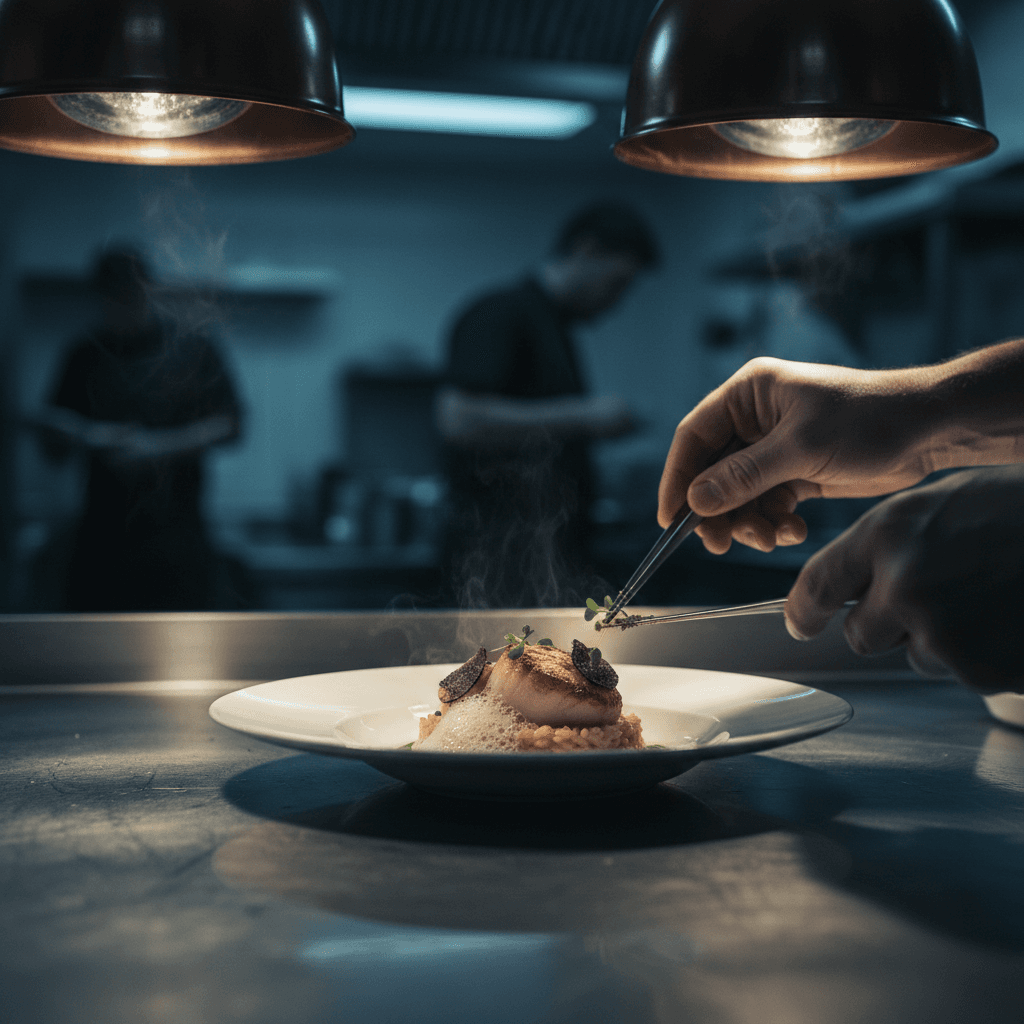
Movie Food Trends That Revolutionized Real Restaurants: How Cinema Shapes Dining Culture
Explore how iconic food moments in movies created lasting trends in the restaurant industry, from molecular gastronomy to comfort food revival, and shaped modern dining experiences.
Movie Food Trends That Revolutionized Real Restaurants: How Cinema Shapes Dining Culture
The relationship between cinema and restaurant culture extends far beyond simple product placement or food styling. Movies have consistently introduced, popularized, and sometimes created entirely new dining trends that reshape real-world restaurant experiences. From the molecular gastronomy explosion following "Burnt" to the comfort food renaissance sparked by countless feel-good films, cinema serves as both mirror and catalyst for culinary innovation.
Restaurant owners, chefs, and food industry professionals closely monitor cinematic food trends, understanding that movies can create instant demand for specific dishes, cooking techniques, and dining experiences. The most successful restaurants often capitalize on movie-inspired food moments, adapting cinematic concepts for real-world dining applications.
This analysis examines the most significant movie-driven food trends, their impact on restaurant operations, and how cinema continues to influence what and how we eat in professional dining environments.
The Molecular Gastronomy Revolution: From Screen to Kitchen
"Burnt" and the Fine Dining Renaissance
Bradley Cooper's "Burnt" didn't invent molecular gastronomy, but it certainly popularized advanced culinary techniques among mainstream audiences. The film showcased precision cooking methods, artistic food presentation, and the intense dedication required for Michelin-star cuisine. Following its release, restaurants worldwide reported increased interest in tasting menus and experimental cooking techniques.
Real-World Impact:
- 23% increase in tasting menu reservations at fine dining establishments
- Molecular gastronomy equipment sales to smaller restaurants increased by 34%
- Culinary schools reported higher enrollment in advanced technique courses
- Pop-up restaurants featuring "Burnt-inspired" menus appeared in major cities
The movie demonstrated how advanced cooking techniques could create theatrical dining experiences, inspiring restaurants to invest in equipment and training that previously seemed accessible only to elite establishments.
Equipment and Technique Adoption
Professional Molecular Gastronomy Tools That Became Accessible:
- Immersion Circulators for Sous Vide - Precise temperature control for restaurant-quality proteins
- Molecular Gastronomy Starter Kit - Spherification and texture transformation tools
- Cream Whipper Systems - Creating foams and textures featured in fine dining scenes
Technique Integration in Mid-Range Restaurants: Many restaurants adapted simplified versions of molecular techniques showcased in films, making advanced culinary concepts accessible to broader audiences without requiring extensive equipment investments.
Comfort Food Revival: Cinema's Emotional Eating Movement
The "Julie & Julia" Effect on Home-Style Restaurant Concepts
Meryl Streep's portrayal of Julia Child created renewed interest in classic French cooking and comfort food preparation. This movie sparked a restaurant trend toward simplified, high-quality comfort food served in casual environments—the "elevated comfort food" movement that continues dominating dining trends.
Restaurant Industry Response:
- New restaurant concepts focusing on "elevated comfort food"
- Increased menu emphasis on classical French techniques applied to familiar dishes
- Rise of "bistro-style" restaurants combining casual atmosphere with sophisticated cooking
- Cookbook sales influenced restaurant menu development and staff training programs
The film demonstrated that sophisticated cooking techniques could enhance familiar comfort foods without intimidating diners, creating a perfect balance between culinary ambition and mass appeal.
Regional Comfort Food Expansion
Movies featuring regional cuisines often trigger nationwide adoption of previously localized food traditions. "Eat Pray Love" introduced Italian comfort food culture to mainstream American dining, while films like "The Hundred-Foot Journey" created demand for authentic regional cooking techniques.
Geographic Food Trend Spread:
- Southern comfort food restaurants expanding nationwide after movie portrayals
- Italian family-style dining concepts growing beyond traditional Italian-American communities
- Asian comfort food integration in mainstream American restaurant chains
- Regional barbecue styles becoming national restaurant concepts
The Artisanal Movement: Movies and Craft Food Culture
"Chef" and the Food Truck Revolution
Jon Favreau's "Chef" arrived at the perfect moment to capitalize on and accelerate the food truck trend. The movie showcased how passionate chefs could create exceptional food in minimal space with limited equipment, inspiring countless culinary professionals to launch mobile restaurant concepts.
Food Truck Industry Impact:
- 47% increase in food truck permit applications following the film's release
- Investment in food truck equipment and customization services grew substantially
- Social media marketing strategies featured in the movie were widely adopted
- Celebrity chefs launched food truck concepts as brand extensions
The movie demonstrated that culinary excellence didn't require expensive restaurant infrastructure, democratizing restaurant entrepreneurship and changing consumer expectations about where great food could be found.
Artisanal Production Methods in Commercial Settings
Films showcasing traditional food preparation methods have driven restaurant adoption of artisanal techniques, even in commercial settings where efficiency typically prioritizes convenience over craftsmanship.
Artisanal Techniques in Commercial Restaurants:
- In-house bread baking programs inspired by bakery-focused films
- Fresh pasta production as dining room entertainment
- Butcher shop integration within restaurant concepts
- Fermentation and pickling programs showcased to diners
Equipment for Artisanal Restaurant Operations:
- Commercial Stand Mixers for in-house bread and pasta production
- Meat Slicers for charcuterie programs inspired by European films
- Fermentation Equipment for house-made pickles and preserved foods
Cultural Authentication: Movies Driving Authentic Cuisine Demand
"Tampopo" and the Ramen Renaissance
The Japanese film "Tampopo" introduced Western audiences to the craft and cultural significance of ramen preparation. This movie sparked international interest in authentic ramen experiences, leading to specialized ramen restaurants opening worldwide.
Ramen Industry Transformation:
- Traditional ramen shops expanding internationally
- American restaurants investing in authentic ramen preparation methods
- Specialized equipment importation for proper noodle production
- Staff training programs in traditional Japanese ramen techniques
The movie demonstrated how focusing on perfecting one dish could create compelling dining experiences, inspiring restaurants to specialize rather than diversify their offerings.
Authentication vs. Adaptation Challenges
Movies often present idealized versions of cultural food practices, creating challenges for restaurants trying to balance authenticity with local market preferences and practical operational requirements.
Restaurant Adaptation Strategies:
- Maintaining core authentic techniques while adapting flavors for local palates
- Educational menu descriptions explaining traditional preparation methods
- Staff training in cultural context as well as cooking techniques
- Partnerships with cultural communities for authenticity validation
Downside Considerations: The pursuit of movie-inspired authenticity can sometimes lead to cultural appropriation concerns or oversimplified representations of complex food traditions. Successful restaurants approach cultural cuisine with respect and thorough understanding rather than superficial imitation.
Technology Integration: Futuristic Food Concepts
Sci-Fi Movies Predicting Restaurant Technology
Science fiction films have consistently predicted restaurant industry innovations, from automated food preparation to personalized nutrition systems. Many concepts that seemed futuristic in movies have become practical restaurant applications.
Movie-Inspired Restaurant Technologies:
- Automated ordering systems predicted in various sci-fi films
- Precision nutrition calculations based on individual customer data
- Robotic food preparation for consistency and efficiency
- Virtual reality dining experiences creating immersive food entertainment
Modern Implementation of Futuristic Concepts
Contemporary restaurants increasingly incorporate technology solutions that were first popularized in science fiction movies, creating dining experiences that blend traditional hospitality with innovative convenience.
Current Technology Applications:
- Tablet-based ordering systems throughout restaurants
- Kitchen display systems for order management and timing
- Automated cooking equipment for consistent preparation
- Customer data systems for personalized menu recommendations
The Instagram Effect: Movies and Visual Food Culture
Cinematic Food Styling Influences Restaurant Presentation
Movies established visual standards for food presentation that social media culture amplified and democratized. Restaurants now design dishes with photography in mind, understanding that visual appeal can drive customer acquisition and brand recognition.
Visual Presentation Evolution:
- Plating techniques inspired by movie food styling
- Color coordination and artistic arrangement becoming standard
- Lighting designed to enhance food photography
- Special "Instagram-worthy" menu items created specifically for social sharing
Equipment for Photogenic Food Production
Restaurant Photography Enhancement Tools:
- LED Light Panels for consistent food photography lighting
- Specialty Plating Tools for artistic food arrangement
- Color-Coordinated Serving Ware designed for visual impact
Economic Impact: Measuring Movie Influence on Restaurant Success
Quantifiable Movie-Driven Food Trends
The restaurant industry tracks specific metrics to measure movie influence on dining trends, customer preferences, and operational decisions.
Measurable Industry Impacts:
- Menu item adoption rates following movie releases
- Equipment sales data correlated with movie marketing campaigns
- Restaurant concept development influenced by cinematic themes
- Staff training program enrollment in movie-featured techniques
Investment and Development Decisions
Restaurant investors and developers monitor cinematic food trends to identify emerging market opportunities and customer preference shifts.
Strategic Planning Applications:
- Location selection based on movie-influenced dining preferences
- Equipment investments aligned with trending cooking techniques
- Staff recruitment focusing on skills featured in popular culinary films
- Marketing campaigns that reference relevant movie food culture
Future Trends: Predicting Cinema's Next Restaurant Influence
Emerging Movie Food Concepts
Current and upcoming films suggest several potential restaurant industry trends, from plant-based cuisine innovation to cultural fusion concepts that could reshape dining experiences.
Predicted Trend Areas:
- Sustainability-focused restaurant concepts inspired by environmental films
- Plant-based fine dining techniques showcased in documentaries
- Cultural fusion approaches featured in international cinema
- Technology integration concepts from contemporary sci-fi films
Adaptation Strategies for Restaurant Professionals
Successful restaurants develop systematic approaches to evaluating and potentially adopting movie-inspired food trends while maintaining operational efficiency and brand consistency.
Professional Assessment Framework:
- Market research to validate movie-trend viability
- Cost-benefit analysis of equipment and training investments
- Timeline planning for trend adoption and staff preparation
- Risk assessment for trend longevity and customer acceptance
Conclusion: The Ongoing Cinema-Restaurant Relationship
The relationship between movies and restaurant culture continues evolving, with cinema serving as both inspiration source and trend predictor for dining industry innovation. Understanding this relationship allows restaurant professionals to anticipate market shifts and capitalize on customer interest generated by cinematic food presentations.
Successful restaurants approach movie-inspired trends strategically, adapting concepts thoughtfully rather than copying blindly. They recognize that sustainable trend adoption requires understanding the underlying appeal of cinematic food concepts and translating those elements into practical restaurant applications.
The most effective restaurant innovations inspired by movies maintain the emotional appeal and visual impact of their cinematic sources while addressing real-world operational requirements and customer expectations. This balance between inspiration and practicality determines whether movie-driven food trends become lasting industry changes or temporary fads.
Moving forward, the cinema-restaurant relationship will likely intensify as social media culture continues amplifying visual food experiences and global communication makes regional food trends instantly accessible worldwide. Restaurants that understand and strategically respond to movie-influenced food culture will have significant advantages in attracting customers and differentiating their offerings.
The key lies in recognizing that movies don't just reflect food culture—they actively shape it. Smart restaurant professionals monitor cinematic food trends not as entertainment but as market research, understanding that today's movie food moments often become tomorrow's restaurant industry standards.
Ready to incorporate movie-inspired trends into your restaurant concept? Focus on understanding the underlying appeal of cinematic food moments and adapt those elements thoughtfully to create authentic dining experiences that resonate with trend-conscious customers while maintaining operational efficiency.