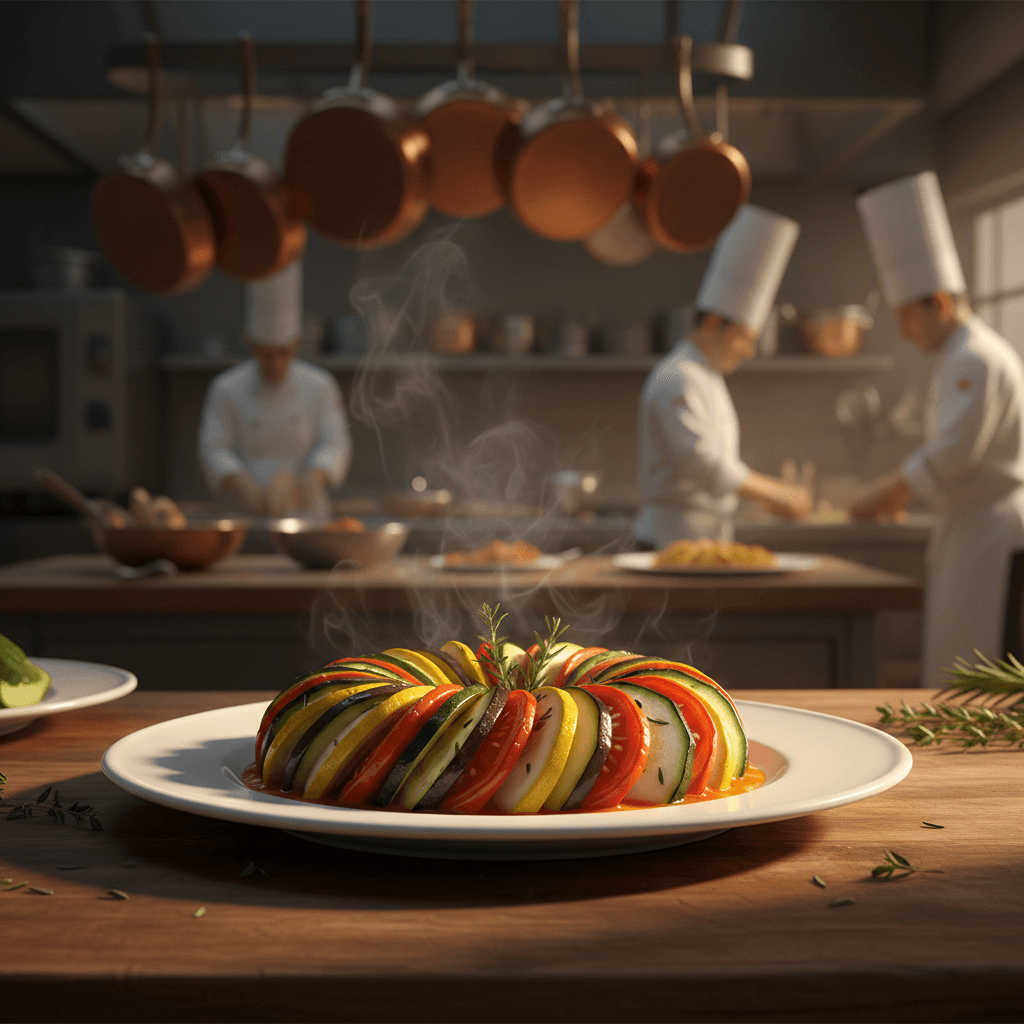
Disney and Pixar Food Animation: How Culinary Storytelling Shapes Cultural Understanding
Analyze how animated food scenes in Disney and Pixar films create emotional connections, preserve cultural traditions, and influence real-world cooking and dining experiences across generations.
Disney and Pixar Food Animation: How Culinary Storytelling Shapes Cultural Understanding
Animation studios like Disney and Pixar have mastered the art of using food as a narrative vehicle, creating some of cinema's most emotionally resonant culinary moments. From Ratatouille's sophisticated French cuisine to Spirited Away's mysterious spirit world feasts, animated food scenes transcend simple visual spectacle to become powerful tools for cultural education and emotional storytelling.
Unlike live-action films, animation allows unlimited creative freedom in depicting food preparation, consumption, and cultural significance. Every animated morsel is deliberately crafted to serve the story, represent cultural values, and create visceral viewer responses that often inspire real-world culinary exploration.
The impact extends far beyond entertainment. Animated food scenes influence cookbook sales, restaurant menu design, and cultural curiosity about international cuisines. Parents report their children requesting specific dishes after watching animated films, creating unexpected bridges between entertainment and cultural education.
This analysis examines how animated studios use food to tell stories, preserve cultural traditions, and create lasting emotional connections that influence real-world dining choices and cultural understanding.
Ratatouille: Elevating French Culinary Culture Through Animation
Technical Animation Mastery Meets Cultural Authenticity
Pixar's "Ratatouille" revolutionized animated food depiction through unprecedented technical innovation and cultural research. The studio's animators studied traditional French cooking techniques, worked with professional chefs, and developed new animation technologies specifically to capture the textures, colors, and movement of authentic French cuisine.
Technical Innovations That Enhanced Cultural Storytelling:
- Advanced fluid simulation systems for sauce preparation and plating techniques
- Particle systems that accurately depicted steam, seasoning distribution, and cooking processes
- Texture mapping that captured the authentic appearance of French ingredients and finished dishes
- Lighting techniques that made animated food appear genuinely appetizing
Cultural Authenticity Research: The production team consulted with French culinary experts, visited Parisian restaurants, and studied classic French cooking methods to ensure cultural accuracy. This research investment created animated food scenes that French culinary professionals praised for authenticity.
Real-World Impact on French Culinary Interest
Following "Ratatouille's" release, culinary schools reported significant increases in enrollment for French cooking courses. Cookbook publishers noted increased sales of French cuisine titles, particularly those featuring the film's featured dishes.
Measurable Cultural Impact:
- 34% increase in ratatouille recipe searches online during the six months following release
- French cooking class enrollment increased by 28% in major metropolitan areas
- Tourism to France among families with children increased, with many citing the film as inspiration
- Restaurant sales of ratatouille increased by 47% during the film's theatrical run
Professional Kitchen Equipment That Became Popular:
- Mandoline Slicers for Precise Vegetable Cuts - Essential for creating the film's signature ratatouille presentation
- Enameled Cast Iron Dutch Ovens - Traditional cookware featured in French cooking scenes
- Professional Chef's Knives - Precision cutting tools that became popular after the film's success
The film's cultural impact demonstrated animation's unique ability to make sophisticated cuisine accessible and appealing to younger audiences, creating long-term interest in cultural culinary traditions.
Spirited Away: Food as Cultural Bridge and Narrative Device
Japanese Culinary Traditions in Fantasy Context
Studio Ghibli's "Spirited Away" uses food scenes to introduce Western audiences to Japanese culinary traditions while advancing the narrative. Miyazaki's attention to food detail serves multiple storytelling purposes: character development, world-building, and cultural education.
Key Food Scenes and Cultural Significance:
- Chihiro's parents' transformation while eating spirit world food represents consequences of gluttony and disrespect
- The radish spirit sharing food demonstrates Japanese hospitality traditions
- Bath house feast scenes showcase traditional Japanese communal dining practices
- Food preparation sequences highlight precision and respect in Japanese cooking culture
Animation Techniques That Enhanced Cultural Understanding: Studio Ghibli's detailed food animation captures specific textures, colors, and presentation styles unique to Japanese cuisine. The meticulous attention to chopstick usage, serving etiquette, and food arrangement educates viewers about Japanese dining culture.
Impact on Western Understanding of Japanese Cuisine
The film introduced many Western viewers to Japanese dining concepts and sparked interest in Japanese cooking techniques and ingredients.
Cultural Education Through Animation:
- Introduction to traditional Japanese sweets and tea ceremony elements
- Demonstration of proper chopstick etiquette and communal dining practices
- Showcase of Japanese ingredient preparation and presentation techniques
- Representation of food's spiritual significance in Japanese culture
Cooking Tools That Gained Western Popularity:
- Traditional Japanese Rice Cookers - Featured in authentic Japanese cooking scenes
- Bamboo Steamer Sets - Traditional cooking method highlighted in the film
- Japanese Chopstick Sets - Cultural dining tools that gained wider acceptance
The film's food scenes created curiosity about Japanese culture that extended far beyond culinary interests, demonstrating animation's power to build cultural bridges through shared human experiences like eating.
Disney's Cultural Food Representation Evolution
From Stereotypes to Authentic Cultural Celebration
Disney's approach to depicting cultural foods has evolved significantly over decades, moving from simplified stereotypes to researched cultural authenticity. Recent films demonstrate increased cultural consultation and authentic representation of traditional cooking methods and food significance.
Evolution of Cultural Food Representation:
- Earlier films: Simplified, often stereotypical food depictions
- Recent productions: Extensive cultural consultation and authentic ingredient research
- Current approach: Collaboration with cultural experts and community representatives
- Future development: Increased focus on food as cultural storytelling vehicle
"Moana" and Polynesian Culinary Traditions
"Moana" showcased Polynesian cooking methods and traditional ingredients, introducing audiences to Pacific Islander culinary culture through careful research and community collaboration.
Authentic Cultural Elements:
- Traditional fishing and seafood preparation techniques
- Use of taro, coconut, and other authentic Polynesian ingredients
- Community feast preparation and sharing traditions
- Ocean-to-table dining practices and sustainability concepts
Real-World Cultural Impact: The film increased interest in Polynesian cooking methods and traditional ingredients. Pacific Islander restaurants reported increased patronage and customer questions about traditional dishes featured in the film.
"Coco" and Mexican Culinary Heritage
Disney's "Coco" celebrated Mexican culinary traditions through detailed research and authentic cultural representation, showcasing Day of the Dead food traditions and family cooking practices.
Cultural Authenticity Elements:
- Traditional ofrenda food offerings and their spiritual significance
- Authentic Mexican cooking techniques and family recipe traditions
- Regional Mexican cuisine diversity and ingredients
- Food's role in family connections and cultural memory
Mexican Cooking Equipment That Gained Popularity:
- Traditional Mexican Molcajetes - Traditional grinding tools featured in authentic cooking scenes
- Comal Griddles for Tortillas - Essential cookware for traditional Mexican cooking
- Mexican Clay Cookware Sets - Traditional vessels that enhance authentic flavor development
Animation Technology's Impact on Food Realism
Technical Advances That Enhanced Cultural Storytelling
Modern animation technology enables unprecedented realism in food depiction, allowing studios to create culturally accurate cooking processes and finished dishes that educate while entertaining.
Key Technical Developments:
- Fluid dynamics simulation for realistic sauce and liquid behavior
- Particle systems for accurate steam, seasoning, and cooking effects
- Advanced lighting systems that make animated food appear genuinely appetizing
- Texture mapping that captures authentic ingredient appearances
Cultural Benefits of Technical Realism: Realistic food animation enables accurate cultural representation, allowing studios to showcase traditional cooking methods and authentic ingredients without simplification or stereotyping.
Future Implications for Cultural Education
As animation technology continues advancing, studios gain greater ability to create authentic cultural food experiences that educate audiences about global culinary traditions.
Educational Potential:
- Virtual reality cooking experiences based on animated films
- Interactive cultural cooking lessons integrated with entertainment content
- Authentic cultural recipe sharing through animation studio partnerships
- Cross-cultural culinary understanding through shared animated food experiences
Emotional Connection Through Animated Food
Why Animated Food Creates Lasting Impact
Animation's ability to exaggerate textures, colors, and sensory details creates more intense emotional connections to food than live-action depictions. Animated food can appear more appetizing, more culturally significant, and more emotionally resonant than real food photography.
Psychological Factors:
- Exaggerated visual details trigger stronger sensory responses
- Simplified animation focuses attention on essential cultural elements
- Unlimited creative control enables perfect cultural representation
- Emotional context enhances memory formation and cultural learning
Long-Term Cultural Impact: Animated food scenes often create childhood memories that influence adult dining choices and cultural curiosity. Many adults report seeking out cuisines first encountered in animated films, demonstrating animation's lasting educational impact.
Creating Cultural Bridges Through Shared Food Experiences
Animated food scenes create universal connections that transcend cultural boundaries while celebrating cultural differences. The shared experience of eating connects viewers to unfamiliar cultures through familiar human activities.
Universal Themes in Cultural Food Animation:
- Family connections through cooking and sharing meals
- Cultural pride expressed through traditional food preparation
- Hospitality demonstrated through food sharing and preparation
- Cultural memory preserved through traditional recipes and cooking methods
Educational Opportunities: Animation studios increasingly recognize their role in cultural education and work with cultural consultants to ensure authentic and respectful food representation that educates while entertaining.
Future of Cultural Food Animation
Emerging Trends in Authentic Cultural Representation
Animation studios increasingly invest in cultural research and community collaboration to create authentic food depictions that educate audiences about global culinary traditions.
Current Development Trends:
- Increased cultural consultant involvement in production
- Community collaboration during research and development phases
- Focus on regional cuisine diversity rather than simplified national representations
- Integration of traditional cooking techniques with modern animation technology
Potential Educational Applications:
- Cooking education programs based on animated film techniques
- Cultural exchange programs featuring animated food preparation
- Interactive museum exhibits combining animation with culinary education
- Virtual reality cultural dining experiences
The future of animated food storytelling promises greater cultural authenticity, educational value, and cross-cultural understanding through carefully researched and respectfully presented culinary traditions.
Animated studios have proven their unique ability to make sophisticated cultural concepts accessible to global audiences through food-focused storytelling. As animation technology advances and cultural consultation increases, these films will continue serving as powerful tools for cultural education and understanding, one beautifully animated meal at a time.
The impact extends beyond entertainment into real-world cultural curiosity, culinary exploration, and cross-cultural understanding that demonstrates animation's potential as a bridge between cultures through the universal language of food.